INTERNATIONAL WORKSHOP ON
ADVANCEMENTS IN AI
FOR
NEXT-GENERATION WIRELESS COMMUNICATIONS
Home
Register
WORKSHOP SUMMARY
Overview
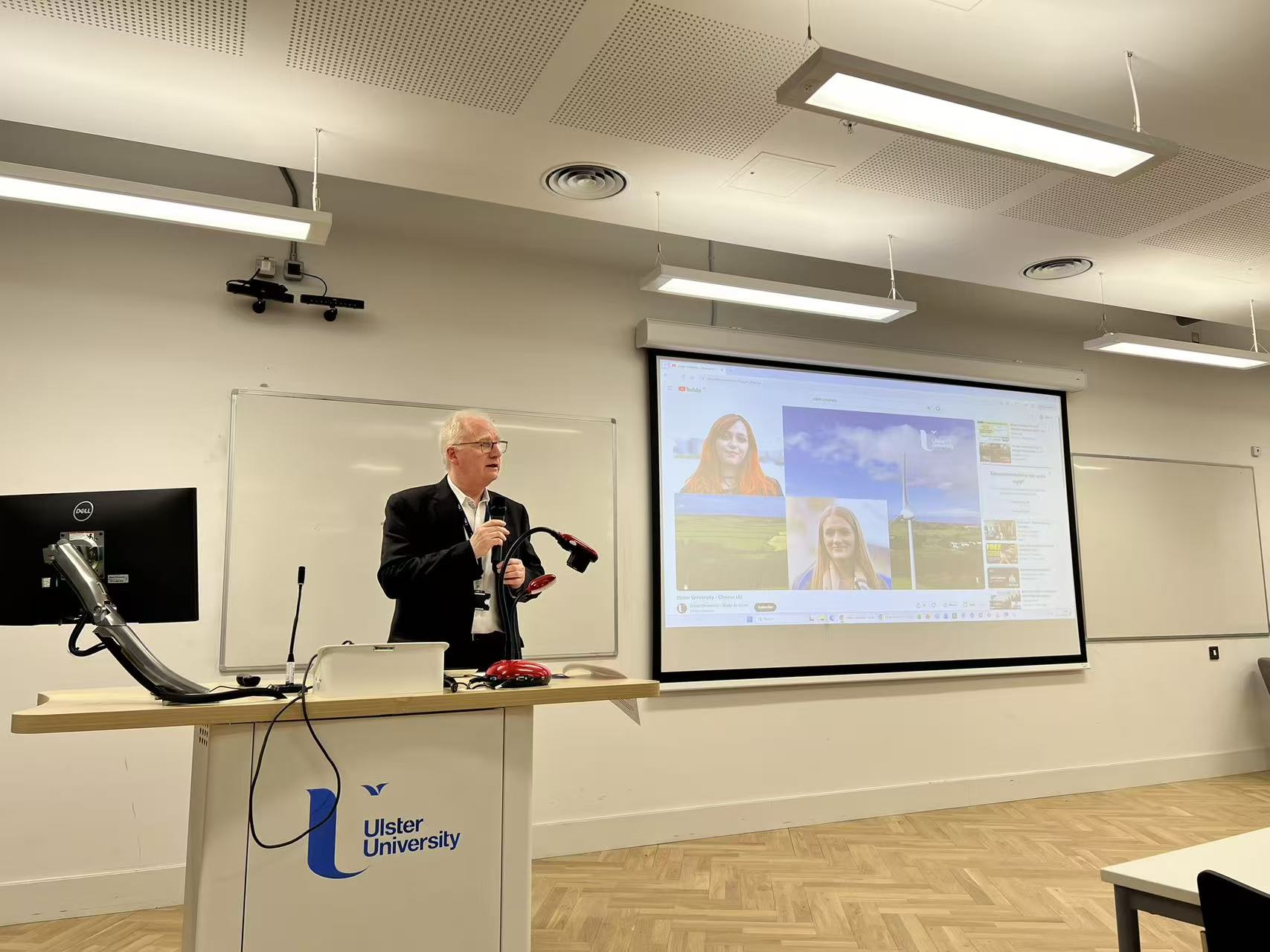
The workshop, held at Ulster University, was organised as part of the ISPF-funded UK–Vietnam collaboration on 6G non-terrestrial networks. The event brought together researchers and funding bodies to explore advances in AI-enabled wireless communications, including federated learning, quantum technologies, and resilient 6G infrastructures. The workshop provided a platform for interdisciplinary discussion, knowledge exchange, and the strengthening of international collaboration, including partnerships between the UK, Ireland, Canada, Vietnam, and wider global participants.
Highlights
- Welcome remarks by Professor Brian Meenan, Associate Dean (Research & Innovation), Ulster University
- Project overview by Dr Cheng Yin, Principal Investigator
- Keynote by Trung Q. Duong (Memorial University, Canada; Queen’s University Belfast, UK): “Quantum Machine Learning and Optimization for 6G Non-Terrestrial Networks”
- Talks from leading researchers across institutions and funding bodies including Queen’s University Belfast, Memorial University, University of Surrey, Trinity College Dublin, University of Strathclyde, EPSRC, and partners from Van Lang University, Vietnam
- Panel discussion: “AI, Agentic Intelligence, and Quantum Technologies in 6G and Non-Terrestrial Networks”
- Strong engagement through audience discussions, networking, and lab visits at Ulster University
Impact
The workshop enabled high-level interdisciplinary dialogue and international collaboration, strengthening partnerships between UK, Ireland, Canada, and Vietnamese institutions. With over 50 attendees from institutions including Ulster University, Queen’s University Belfast, Atlantic Technological University, and Trinity College Dublin, as well as industry partners, the workshop fostered valuable discussions and knowledge exchange. Participants also had the opportunity to tour research facilities and laboratories at Ulster University, further supporting engagement and future collaboration.
The workshop also supported the development of new collaborative links, future joint research initiatives, and funding opportunities, reinforcing the importance of international partnerships in advancing AI and next-generation communication technologies.
WORKSHOP HIGHLIGHTS
PROGRAMME AGENDA
09:30 - 10:00
Registration
10:00 - 10:10
Welcome Remarks
Professor Brian Meenan, Associate Dean (Research & Innovation), Ulster University
10:10 - 10:20
Project Overview:
Building Resilient Communication: A UK–Vietnam Collaborative Research Initiative on 6G Non-Terrestrial Networks
Dr. Cheng Yin, Lecturer, Principal Investigator, Ulster University
10:20 - 10:50
Introduction to Van Lang University, Vietnam
Prof. Vo Nguyen Quoc Bao, Deputy Vice Chancellor, Van Lang University, Vietnam
10:50 - 11:20
KEYNOTE TALK
Hybrid Quantum Machine Learning and Optimisation for 6G Non-Terrestrial Networks
Prof. Trung Q. Duong, Canada Excellence Research Chair & Full Professor, Memorial University, Canada, and Queen's University Belfast, UK
11:20 - 11:40
Coffee Break
11:40 - 12:10
Distributed Federated Learning and Collaborative Inference for Next Generation Wireless Communications
Professor Pei Xiao, Professor of Wireless Communications, Institute for Communication Systems, University of Surrey
12:10 - 12:40
Rethinking Forgetting: Advances in Federated Machine Unlearning
Dr. Viet Quoc Pham, Assistant Professor, Trinity College Dublin
12:40 - 13:40
Lunch Break
13:40 – 14:10
Panel discussion: AI, Agentic Intelligence, and Quantum Technologies in 6G and Non-Terrestrial Networks
Panelists: Dr Huy T. Nguyen, Dr. Viet Quoc Pham, Marie-Louise Cairns, Dr David Crawford
14:10 - 14:40
Invited Talk
Dr David Crawford, Principal Knowledge Exchange Fellow, University of Strathclyde
14:40 - 15:00
Coffee Break
15:00 - 15:30
UKRI Change and EPSRC's Direction
Marie-Louise Cairns, Head of Regional Engagement for Northern Ireland, EPSRC
15:30 - 16:00
Building Sustainable Connectivity: Energy Efficiency as a Pillar of Resilient 6G NTN
Dr. Huy T. Nguyen, Assistant Professor, Van Lang University, Vietnam
16:00 - 16:30
Networking & Closing
All talks will be delivered in person.
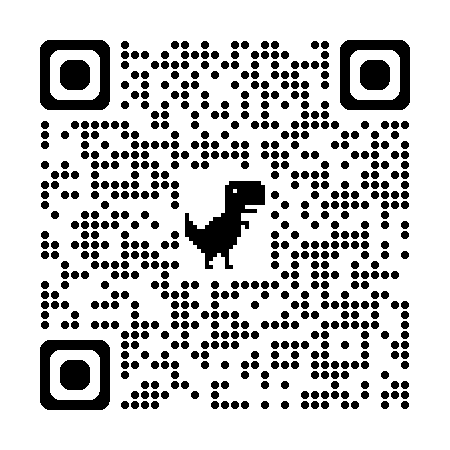
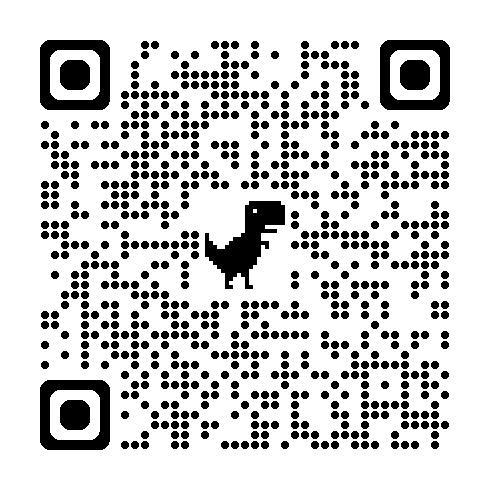
REGISTRATION
https://forms.gle/2Dv7jhEgUc2f4z2N9
Scan QR Code to Register
INVITED SPEAKERS
KEYNOTE SPEAKER
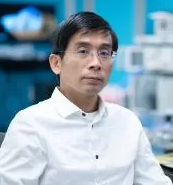
Prof. Trung Q. Duong
Memorial University, Canada, and Queen's University Belfast, UK
Bio: Prof. Trung Q. Duong (Fellow of IEEE, Fellow of EIC, Fellow of IET, Fellow of CAE, Fellow of AAIA) is a Canada Excellence Research Chair (CERC) and a Full Professor at Memorial University of Newfoundland, Canada. He is also an Adjunct Professor at Queen's University Belfast, UK. He was the only UK-based researcher to have received both prestigious awards from the Royal Academy of Engineering: i) the Royal Academy of Engineering Research Fellowship (2015–2020) and ii) Research Chair of Royal Academy of Engineering (2020-2025). In 2017, he was awarded the Newton Prize from the UK government. He is currently serving as the Editor-in-Chief (EiC) of IEEE Communications Survey & Tutorials (IF=46.7 and CiteScore=86.2). He is an IEEEE ComSoc Distinguished Lecturer. He has delivered more than 50 keynote speeches and more than 100 invited lectures, talks worldwide. His current research focuses on quantum machine learning, signal processing, real-time optimization, quantum optimization, 5G/6G wireless communications, Internet-of-Things (applied to healthcare, disaster management, energy, agriculture, environment, and smart cities). As a Principal Investigator (PI) or Co-Investigator (Co-I), he has secured research grants added up to $63M+ (CAD). He has been awarded the Best Paper Award at the 77th IEEE Vehicular Technology Conference (VTC) 2013, IEEE International Conference on Communications (ICC) 2014, IEEE Global Communications Conference (GLOBECOM) 2016, 2019, 2022, IEEE Digital Signal Processing (DSP) 2017, International Wireless Communications & Mobile Computing Conference (IWCMC) 2019, 2023, 2024, and IEEE International Workshop on Computer Aided Modeling and Design of Communication Links and Networks (CAMAD) 2023, 2024. He is listed as one of most-cited authors across all scientific fields by Scopus (all-time career).
Talk Title: Hybrid Quantum Machine Learning and Optimisation for 6G Non-Terrestrial Networks
Prof. Vo Nguyen Quoc Bao
Deputy Vice Chancellor of Van Lang University, Vietnam
Bio: Vo Nguyen Quoc Bao (SMIEEE) is a Professor of Wireless Communications at Van Lang University, Vietnam. His research interests focus on advanced physical-layer techniques for 5G/6G systems, intelligent wireless networks, and AI-driven signal processing. He received his B.Eng. and M.Eng. degrees from Ho Chi Minh City University of Technology in 2002 and 2005, and his Ph.D. in Electrical Engineering from the University of Ulsan, South Korea, in 2010. Before joining Van Lang University in 2024, he spent over a decade at the Posts and Telecommunications Institute of Technology, where he was promoted to Full Professor in 2023.
Talk Title: Introduction to Van Lang University, Vietnam

Marie-Louise Cairns
Head of Regional Engagement for Northern Ireland at EPSRC
Talk Title: To be confirmed

Professor Pei Xiao
Institute for Communication Systems (ICS), Home for 5GIC & 6GIC, University of Surrey, Guildford, Surrey, GU2 7XH, United Kingdom.
Bio: Pei Xiao is a professor of Wireless Communications at the Institute for Communication Systems, home of 5GIC and 6GIC at the University of Surrey. He is the technical manager of 5GIC/6GIC, leading the research team in the new physical layer work area, and coordinating/supervising research activities across all the work areas (https://www.surrey.ac.uk/institute-communication-systems/5g-6g-innovation-centre). He has published extensively in the fields of communication theory, RF and antenna design, signal processing for wireless communications. Professor Xiao’s research focuses on next-generation wireless technologies, with a specific emphasis on IoT applications, satellite communications, and high-mobility vehicular networks. Key aspects of his work involve energy efficient cell-free network design, advanced multiple access technologies, new ISAC waveforms, and the application of artificial intelligence to wireless systems, including federated multi-agent reinforcement learning, graph neural network-based distributed optimisation, and collaborative edge inference. His contributions have significantly reduced hardware complexity and enhanced radio resource utilisation as well as power consumption through advanced signal processing and distributed learning techniques.
Talk Title: Distributed Federated Learning and Collaborative Inference for Next Generation Wireless Communications
Abstract: In this talk, we first discuss GNN-enhanced federated multi-agent reinforcement learning for energy-efficient distributed UAV communications. As UAV-assisted networks scale toward next-generation wireless systems, centralised training becomes untenable due to prohibitive backhaul overhead, privacy concerns, and single points of failure. To address this problem, we propose a federated GNN-enhanced MAPPO framework, where each UAV trains a local actor-critic model using neighbourhood observations only, with inter-agent reasoning preserved through a locally executed GNN on dynamic subgraphs. FedProx aggregation mitigates local drift from spatially non-IID traffic distributions, while transformer-based traffic prediction informs both UAV decision-making and federation round timing. Results show that FedMARL with GNN achieves robust multi-UAV cooperation and competitive energy efficiency without any centralised coordination, offering a scalable, privacy-preserving path to green UAV networks. In the second part of the talk, we introduce a novel collaborative inference architecture integrating cloud based LLMs with edge deployed small language models (SLMs). By enabling hierarchical KV-cache sharing and pipeline parallel processing, this framework significantly reduces inference latency and improves stability across diverse workload conditions.
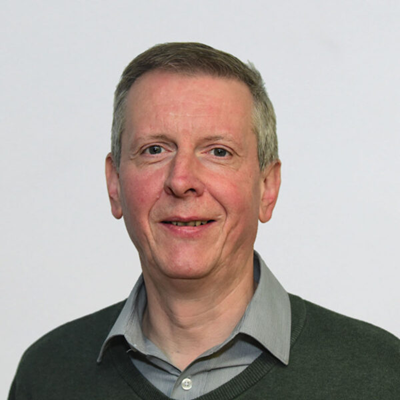
Dr David Crawford
Principal Knowledge Exchange Fellow, University of Strathclyde
Bio: Dr Crawford is a Principal Knowledge Exchange Fellow at the University of Strathclyde, where he manages a programme of industry/academic collaborative projects focusing on shared spectrum, private 5G networks, and future advanced communications. David has championed the development of shared spectrum methods and adoption for more than a decade. David holds four degrees, all from Strathclyde, including a PhD and MBA. Prior to rejoining the University, initially to manage the Centre for White Space Communications, David worked in industry for Epson and Motorola.
Talk Title: To be confirmed

Dr Huy T. Nguyen
Assistant Professor, Van Lang University, Vietnam
Bio: Huy T. Nguyen (Member, IEEE) received his B.Eng. (Hons.) in Computer Science and Engineering from HCMC University of Technology, Vietnam, in 2013. He then earned his M.Eng. and Ph.D. degrees from the Department of Information and Communication System, Inje University, South Korea, in 2016 and 2019, respectively. He is currently a Lecturer (Assistant Professor) at the Faculty of Information Technology, Van Lang University (VLU), where he also leads the Smart and Autonomous Systems (SAS) Research Group. Before joining VLU, he served as Chief Technology Officer (CTO-Asia Desk) at Data Design Engineering (DDE), primarily developing data-driven AI solutions. His earlier career included significant contributions to the communication aspects of wireless SmartGrid systems as a Scientist at the Institute for Infocomm Research (I2R-A*STAR) and Nanyang Technological University (NTU), Singapore. His research interests lie in applying AI/ML and optimization techniques to signal processing and wireless communications for 5G and beyond.
Talk Title: Building Sustainable Connectivity: Energy Efficiency as a Pillar of Resilient 6G NTN
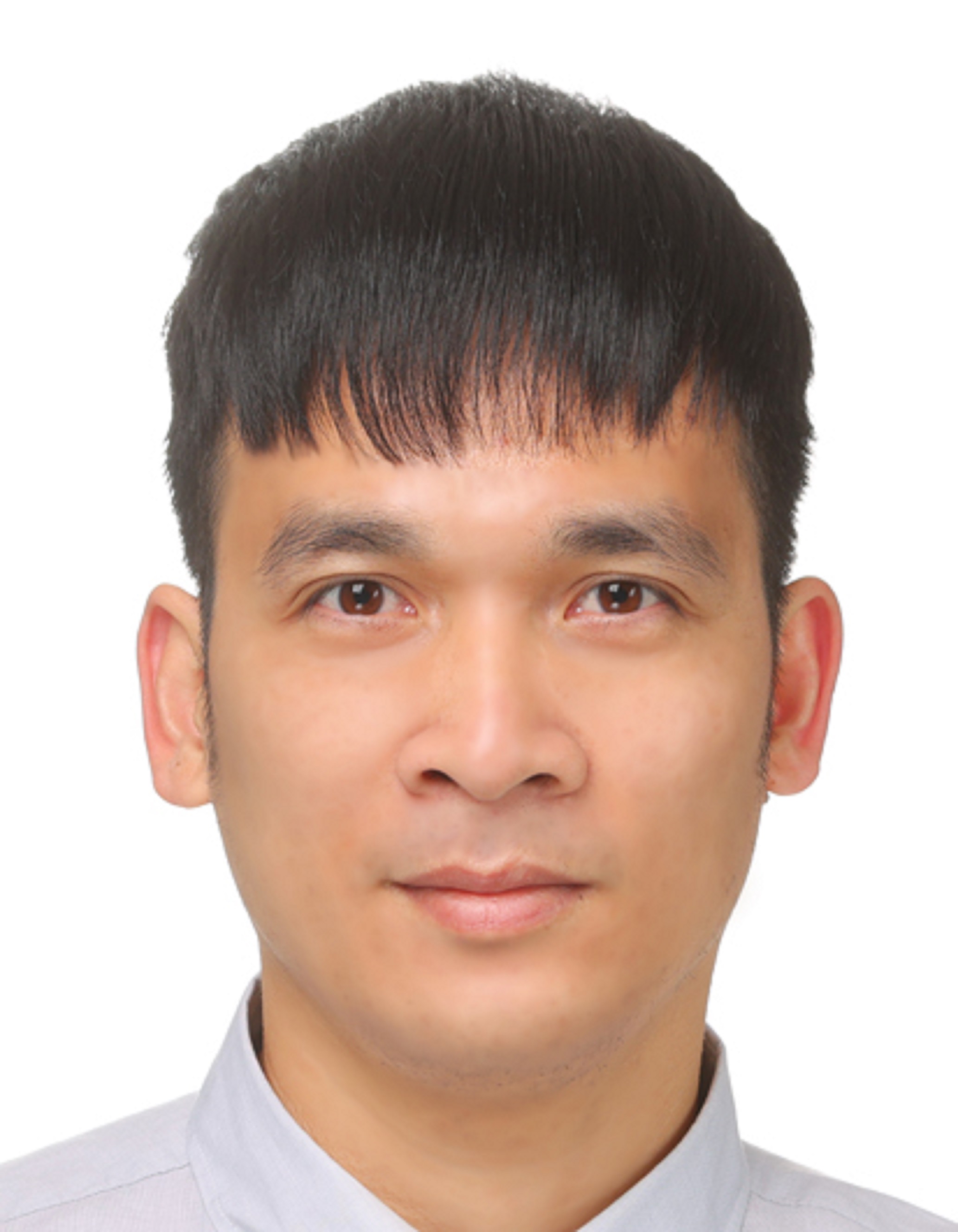
Dr. Viet Quoc Pham
Assistant Professor, Trinity College Dublin
Bio: Viet Quoc Pham is currently an Assistant Professor (above the bar) in Networks and Distributed Systems at the School of Computer Science and Statistics, Trinity College Dublin, Ireland. He earned his PhD degree (with Best PhD Dissertation Award) in Telecommunications Engineering from Inje University in 2017. He has special research interests in the areas of wireless AI, edge computing, Internet of Things, and distributed machine learning. He was a recipient of Clarivate Highly Cited Researcher Award in 2024 and IEEE ComSoc Best Young Researcher Award for EMEA 2023 in recognition of his research activities for the benefit of the Society. He is currently serving as an Editor of IEEE Communications Letters, IEEE Communications Standards Magazine, IEEE Communications Surveys & Tutorials, IEEE Transactions on Mobile Computing, and IEEE Transactions on Network Science and Engineering.
Talk Title: Rethinking Forgetting: Advances in Federated Machine Unlearning
Abstract: Federated machine unlearning (FUL) has emerged as a transformative paradigm for privacy-preserving and decentralized AI in 6G networks and the future Internet. FUL allows the removal of the data influence from a model trained across distributed clients, thereby upholding the right to be forgotten as mandated by privacy regulations. The talk will present the fundamental principles of federated unlearning and highlight recent advances through our research on verifiable federated unlearning and federated on-server unlearning.
ORGANISERS
 Dr. Cheng Yin
School of Computing, Ulster University
Dr. Cheng Yin
School of Computing, Ulster University
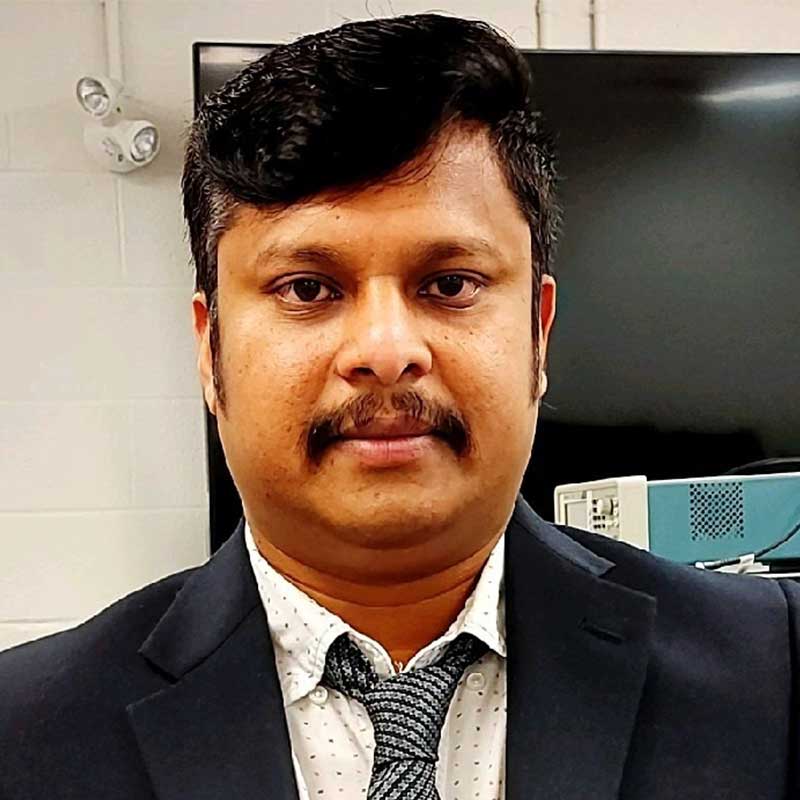 Dr. Sunish Kumar
School of Engineering, Ulster University
Dr. Sunish Kumar
School of Engineering, Ulster University
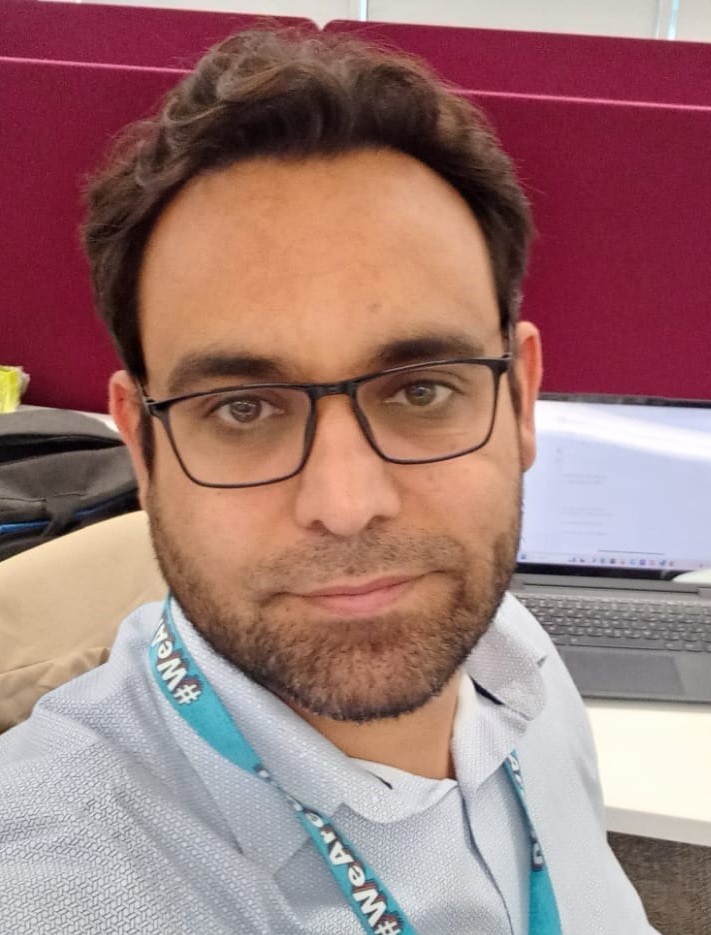 Dr. Muhammad Shafi
School of Computing, Ulster University
Dr. Huy T. Nguyen
School of Technology, Van Lang University
Dr. Muhammad Shafi
School of Computing, Ulster University
Dr. Huy T. Nguyen
School of Technology, Van Lang University